Nagasaki Shinchi Chinatown
長崎新地中華街
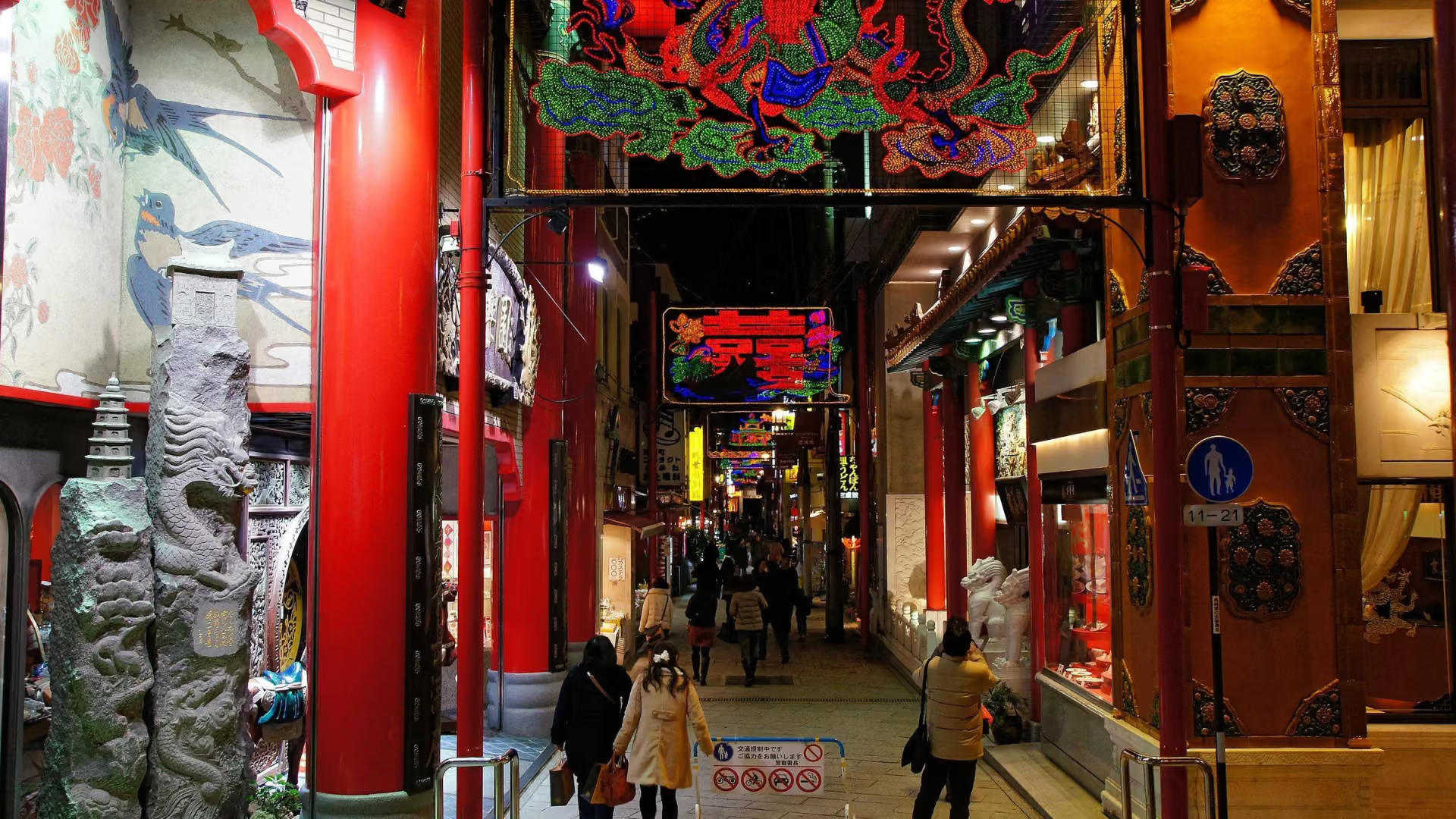
A Chinatown in central Nagasaki, built on land reclaimed in the Edo period, with about 40 Chinese shops and restaurants and four Chinese gates.
Each shop sets its own hours; the official shop list gives them.
〒 850-0842How to get there
新地中華街3 min walk from the station
Nagasaki Shinchi Chinatown is a Chinatown in central Nagasaki, counted alongside those of Yokohama and Kobe. About 40 Chinese restaurants, Chinese sweet shops and Chinese goods shops line its two crossing streets. The stone paving of the cross, about 250 meters east to west and north to south together, was laid with the help of Fujian Province in China.
History
In the Edo period, Chinese residents of Nagasaki lived in the Tojin Yashiki (唐人屋敷), a walled quarter of about 9,360 tsubo. After a fire in 1698 destroyed the warehouses that held the cargo of Chinese ships, about 3,500 tsubo of sea in front of the quarter was filled in and a separate storehouse for that cargo was built on the new ground. It became known as Shinchi (新地), new land, or Shinchi Kurasho (新地蔵所). Both the quarter and the storehouse were abolished after the Meiji Restoration. Overseas Chinese then settled around the former storehouse site, and the Chinatown grew up there.
The gates
Four Chinese-style gates stand at the east, west, north and south ends of the streets. They were built with materials from Fuzhou and completed in April 1986. The east, north and south gates are 9 meters high and 9 meters wide; the west gate is 9 meters high and 4 meters wide.
Inside each gate is a carving of one of the Four Symbols of Chinese feng shui, the guardian animals of the four directions: the Azure Dragon (Seiryu, 青龍) on the east, the White Tiger (Byakko, 白虎) on the west, the Black Tortoise (Genbu, 玄武) on the north and the Vermilion Bird (Suzaku, 朱雀) on the south. According to the Chinatown, the north gate is said to bring water and the south gate fire. Sofuku-ji (崇福寺), the family temple of the city's overseas Chinese, lies to the northeast, the kimon (鬼門) or demon gate direction, where it is held to keep evil spirits out.
The Lantern Festival
The Nagasaki Lantern Festival began as the Spring Festival, the Chinese New Year celebration, held by the overseas Chinese of Shinchi. It now takes place every year in winter, with Minato Park (湊公園) as its main venue.
What's on here
| Date | Event | Details |
|---|---|---|
| February 2027 | ||
| 6–23 Feb 2027Date to be confirmed | Nagasaki Lantern Festival | |
Getting There

Planning a trip? Fit this into a trip and Oni plans the rest around it.
Places nearby
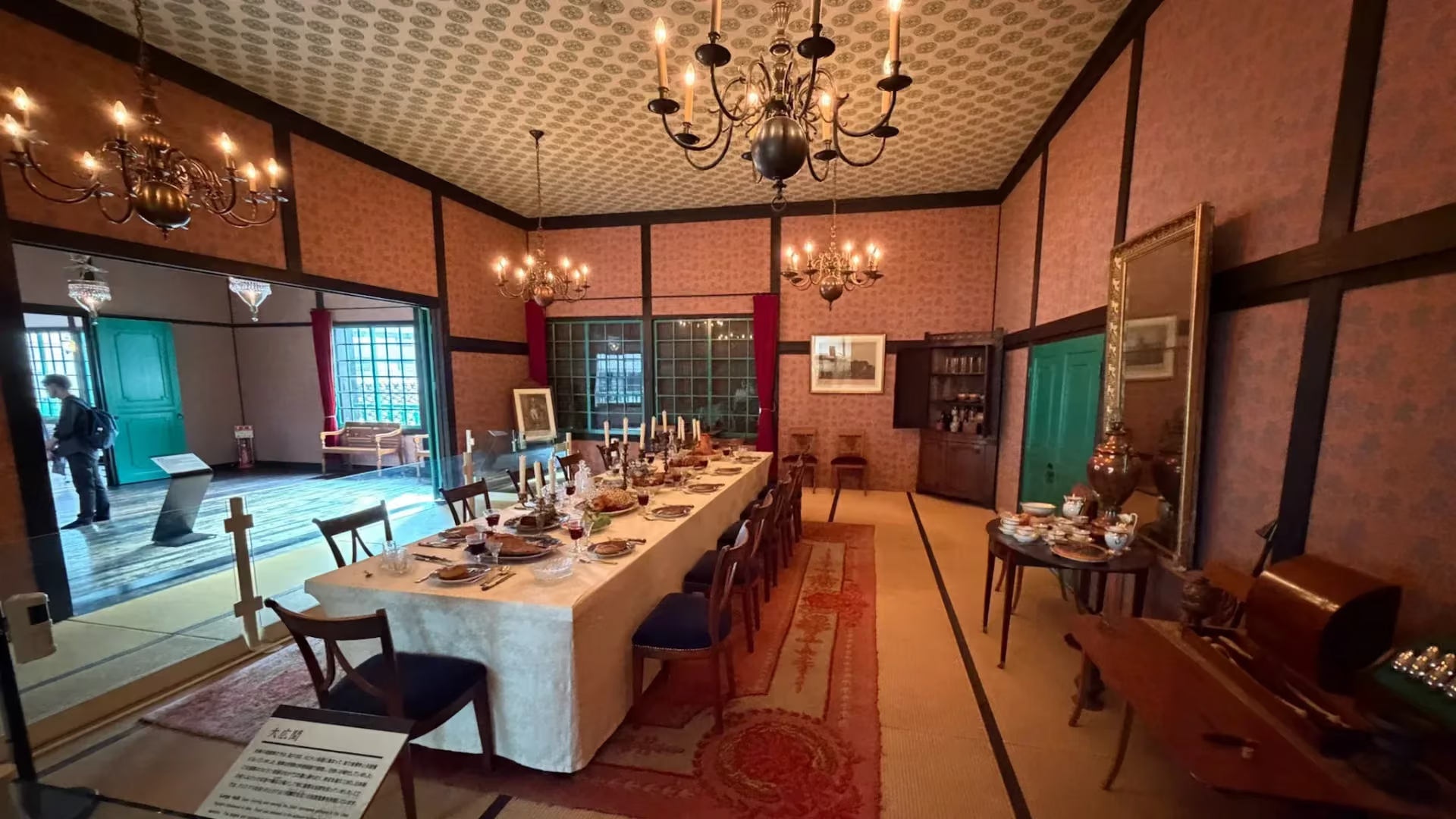
Dejima
The fan-shaped island in Nagasaki that was Japan's only opening to the West for more than two centuries, now rebuilt street by street.
Nagasaki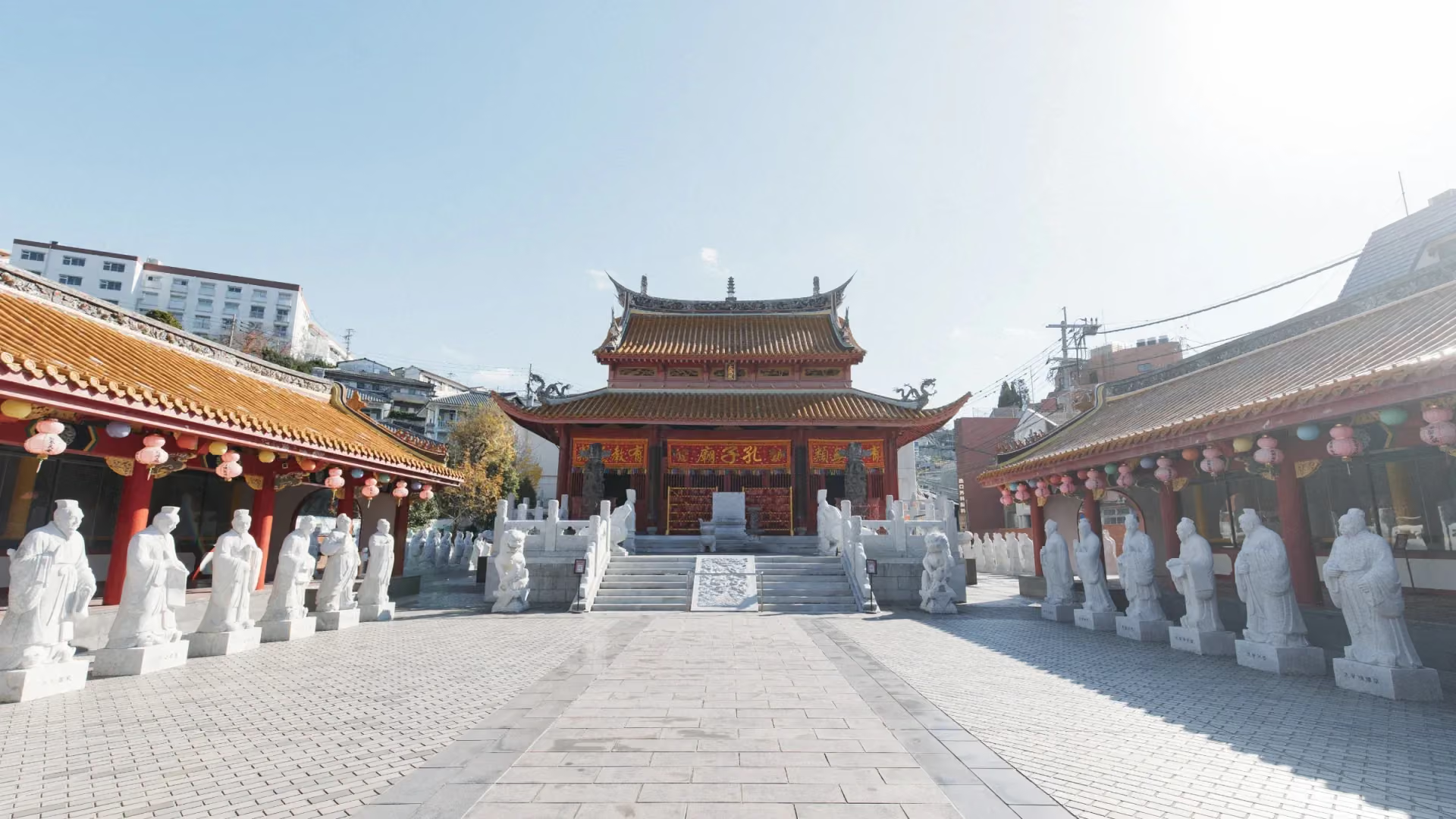
Nagasaki Confucius Shrine
The only Confucius temple in Japan built in full Chinese style, put up in 1893 by the Qing government and the Chinese community of Nagasaki.
Nagasaki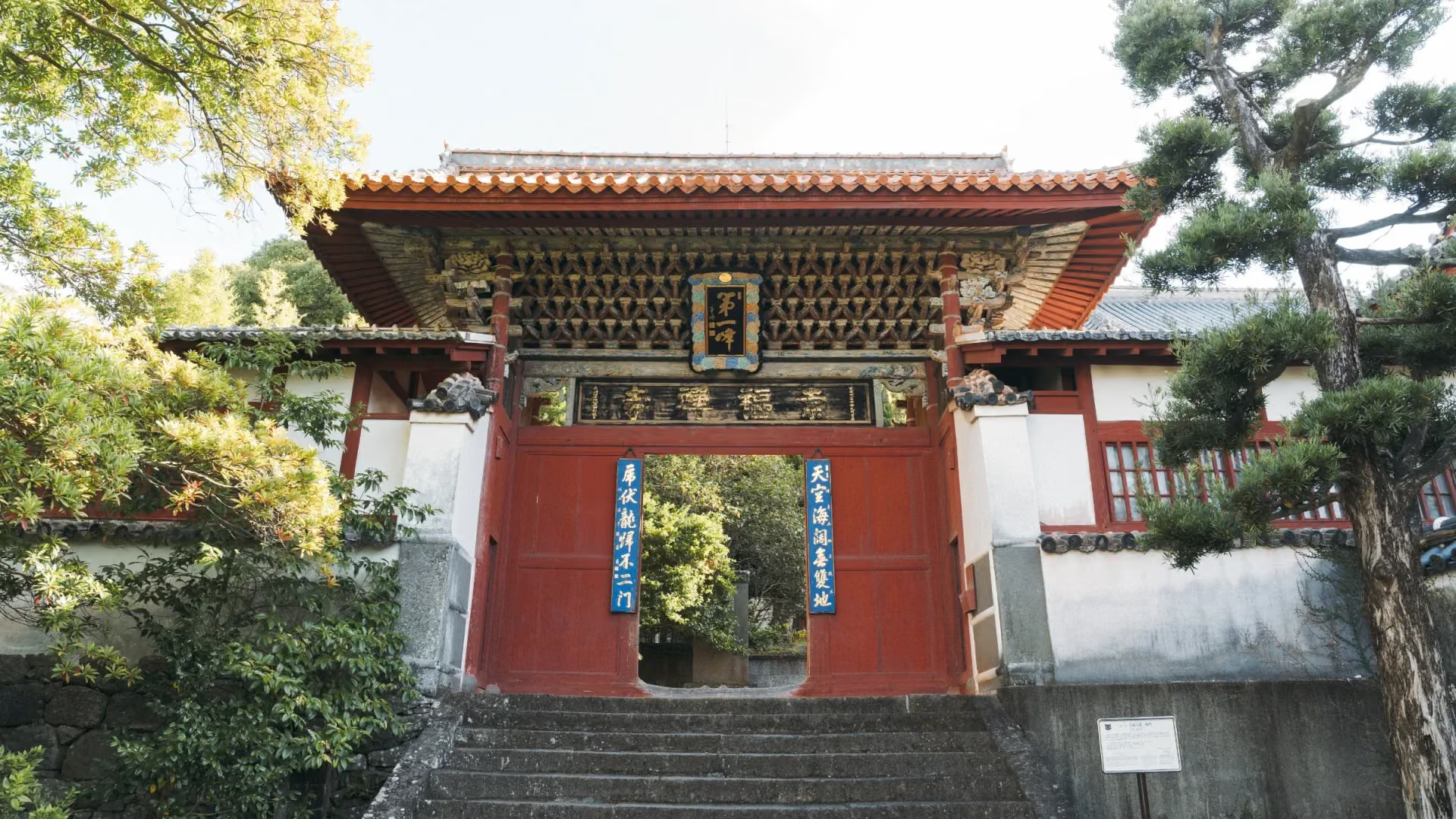
Sofukuji Temple
A Chinese temple in Nagasaki founded in 1629 by merchants from Fujian, with two buildings that are National Treasures.
NagasakiYou might also like
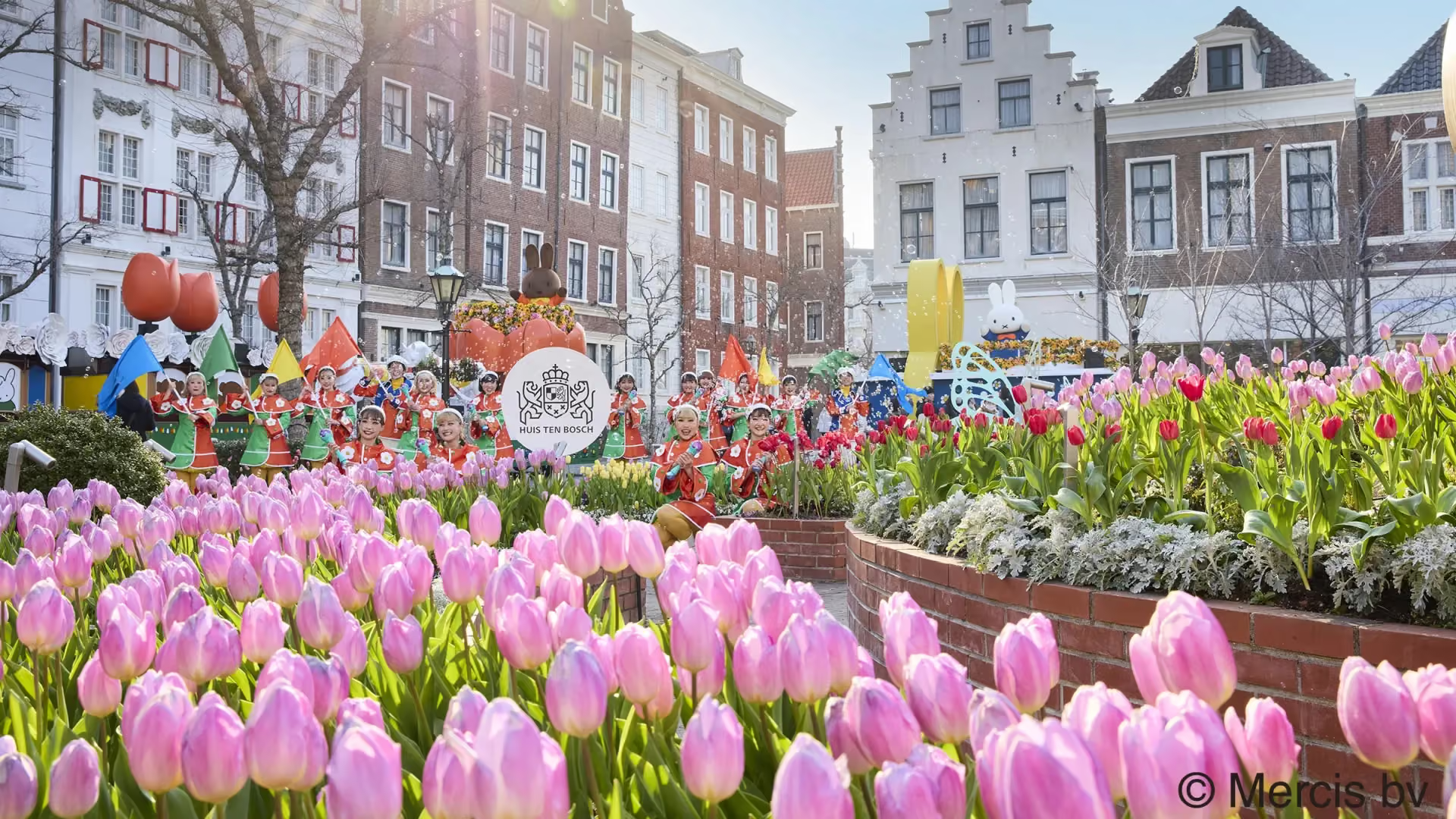
Huis Ten Bosch
A theme park and resort laid out as a Dutch town, with canals, windmills, a palace and a 105 m tower, on Omura Bay in Sasebo, Nagasaki.
Sasebo · Nagasaki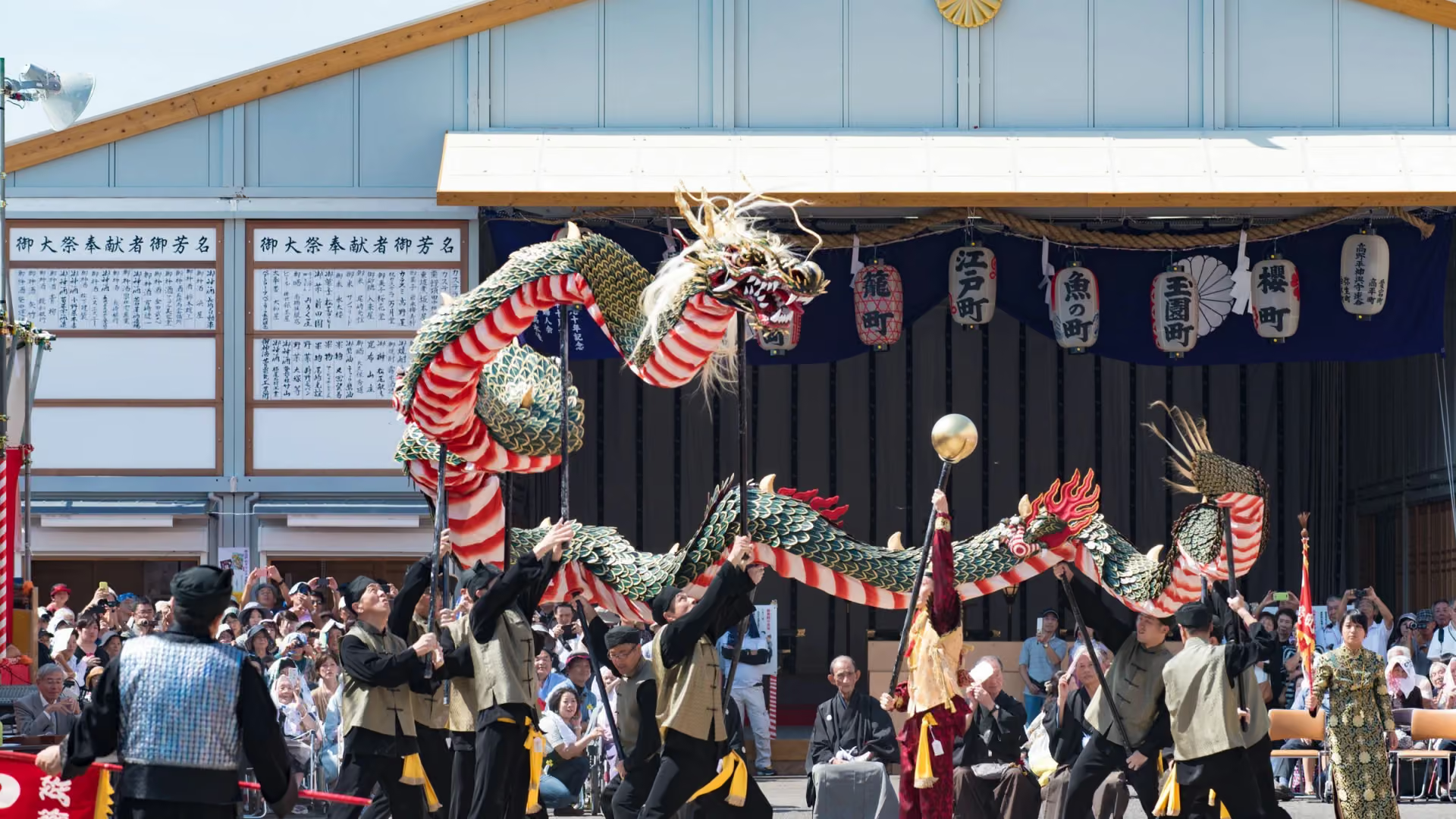
Nagasaki Kunchi / Okunchi
This 380-year-old shrine festival blends Japanese folk dances with dragon processions and Dutch-influenced performances held across four venues in Nagasaki.
7–9 Oct 2027Exact date not confirmed yetNagasaki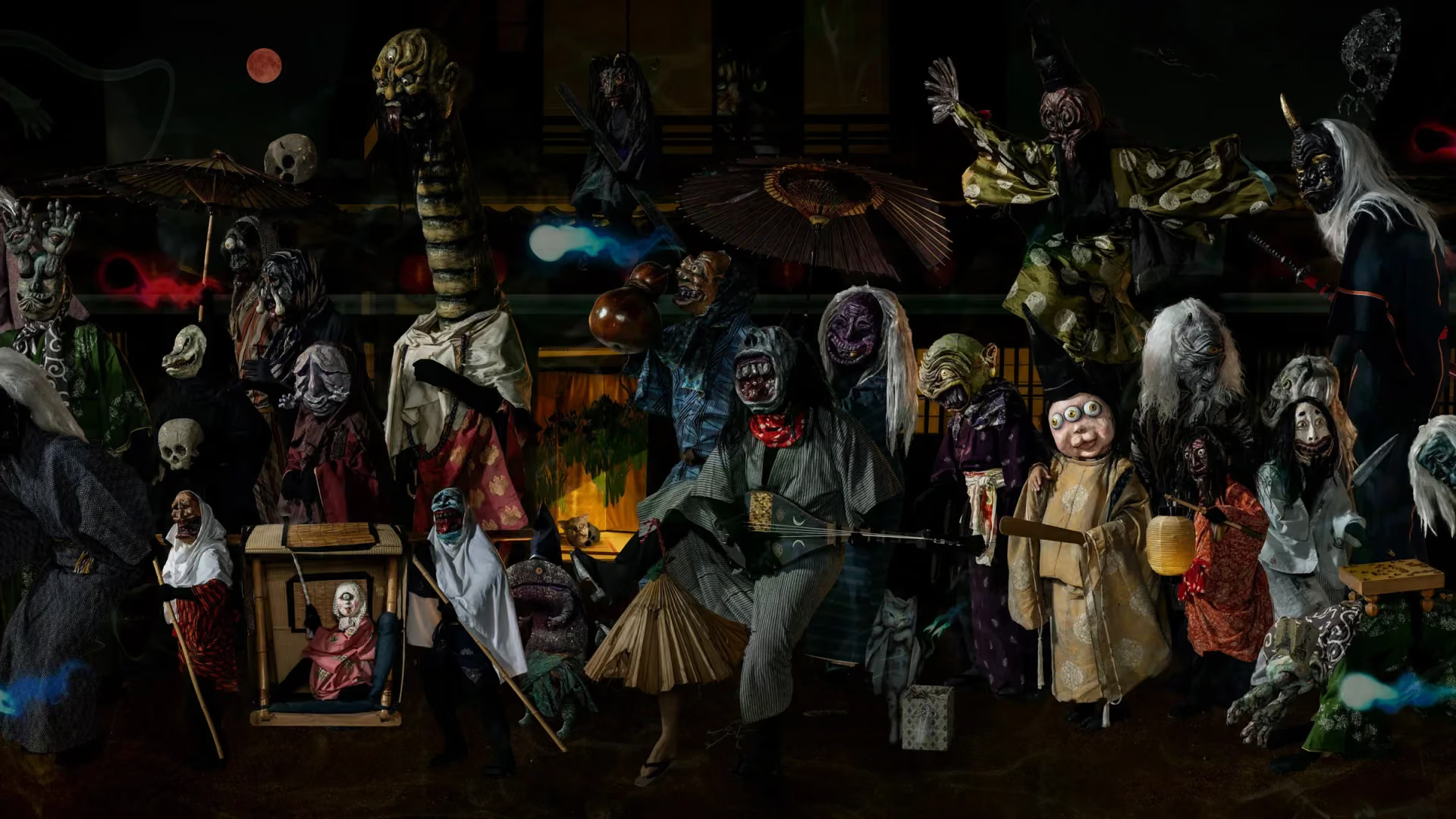
Kaikai Yokai Festival
Uzumasa Kyoto Village (Toei Kyoto Studio Park) fills with yokai every autumn: two evening parades, dance shows, daily yokai greetings and limited yokai food.
12 Sep – 29 Nov 2026Kyoto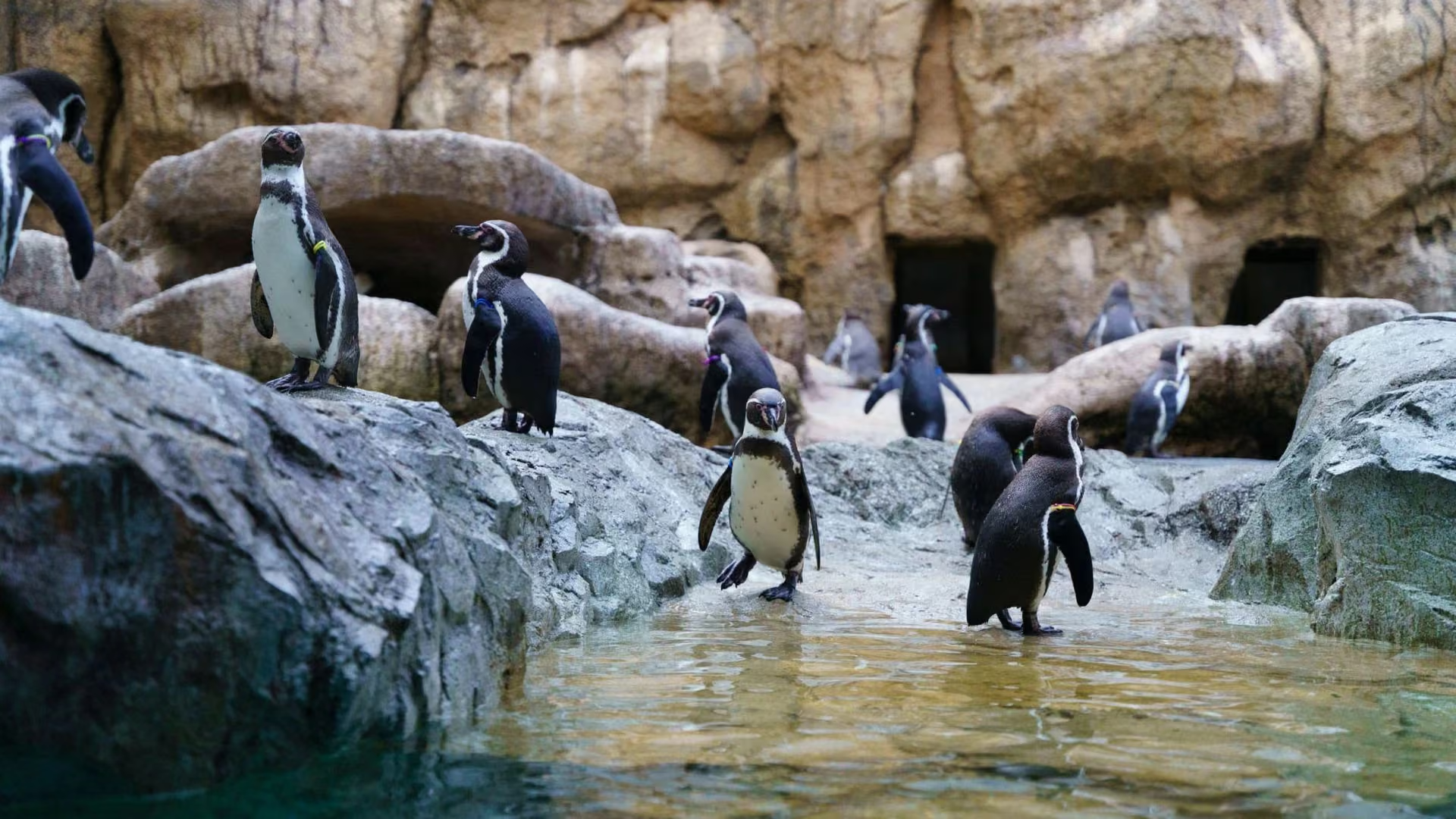
Nagasaki Penguin Aquarium
Specialized aquarium featuring approximately 180 penguins from nine species, with interactive exhibits including a natural sea swimming environment.
Nagasaki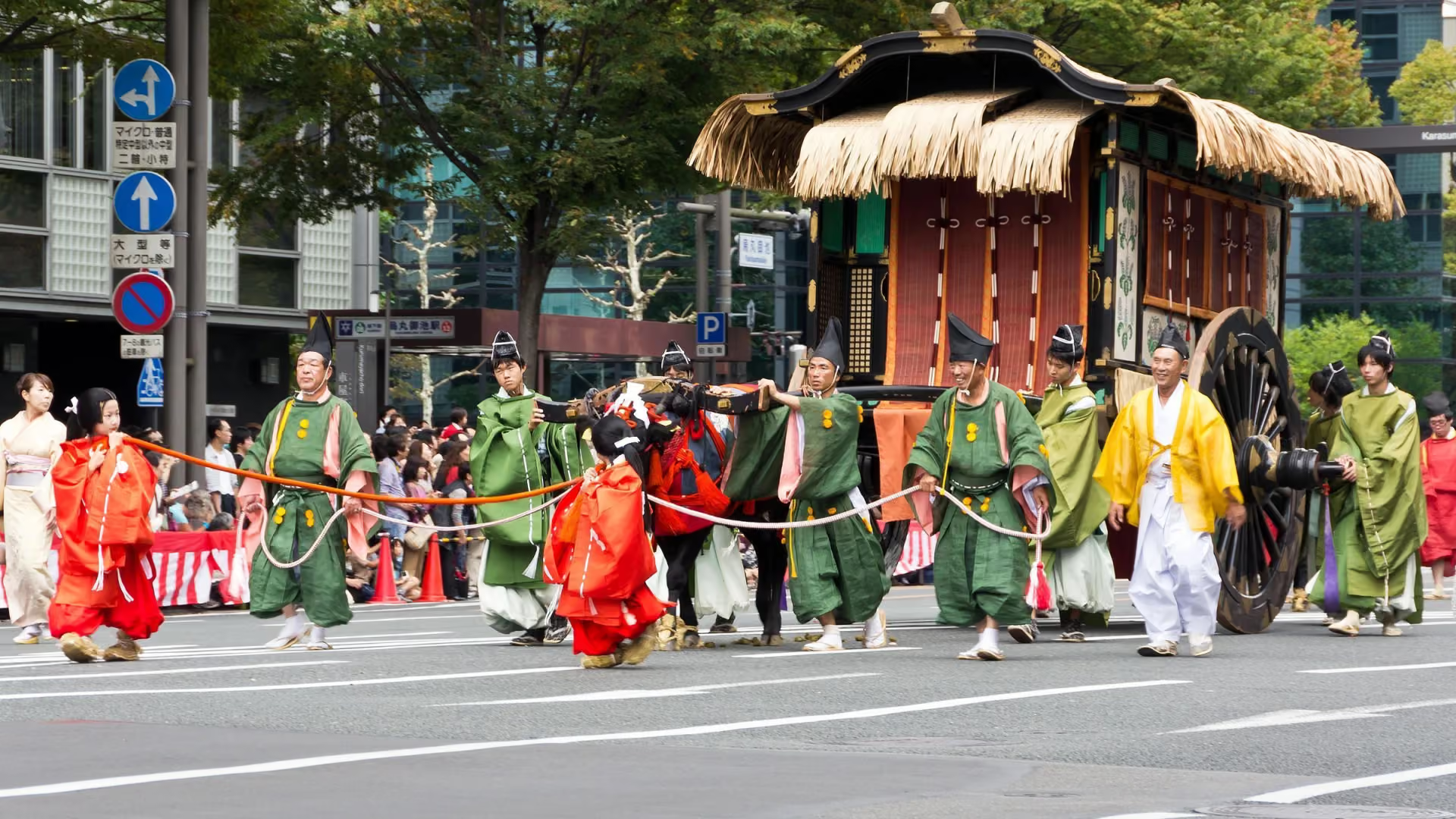
Jidai Festival
Kyoto's historical reenactment festival: costumed processions of figures from different Japanese eras travel from the Imperial Palace to Heian Shrine.
22 Oct 2027Exact date not confirmed yetKyoto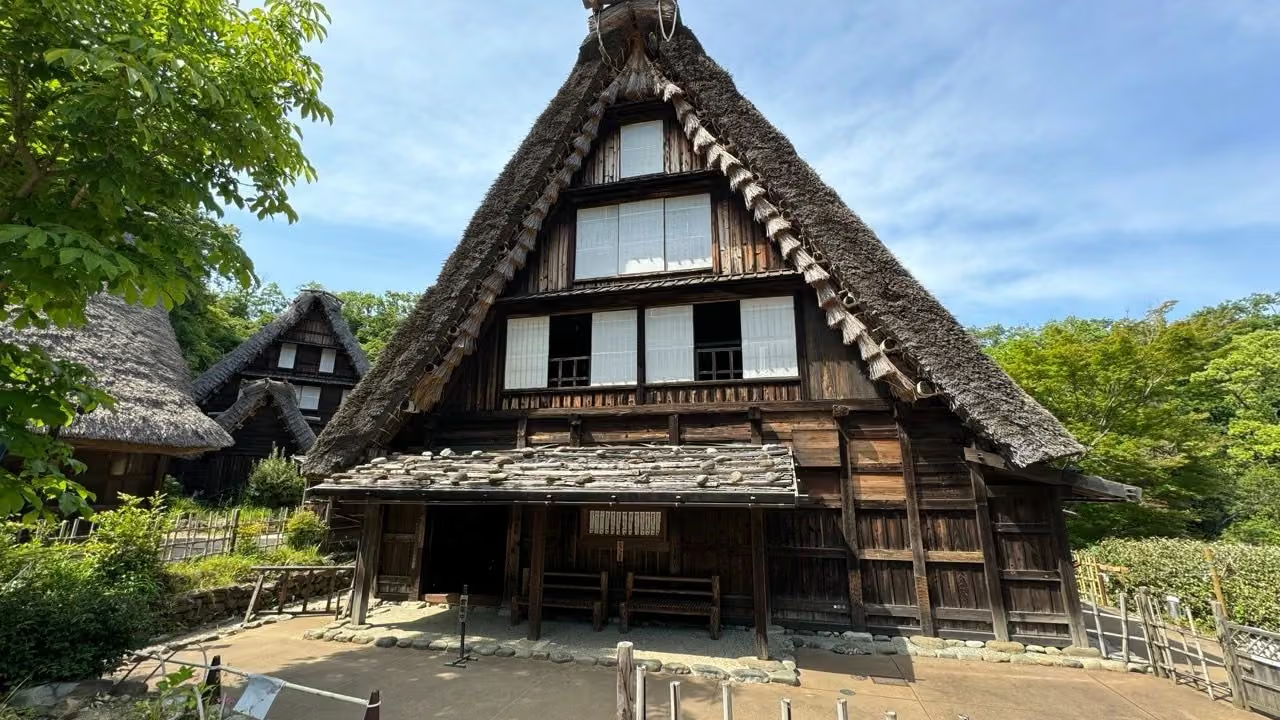
Japan Open-Air Folk House Museum
Open-air museum in Kawasaki with 25 traditional houses relocated from across Japan, plus indigo-dyeing sessions, a soba restaurant and craft displays.
Kawasaki · Kanagawa