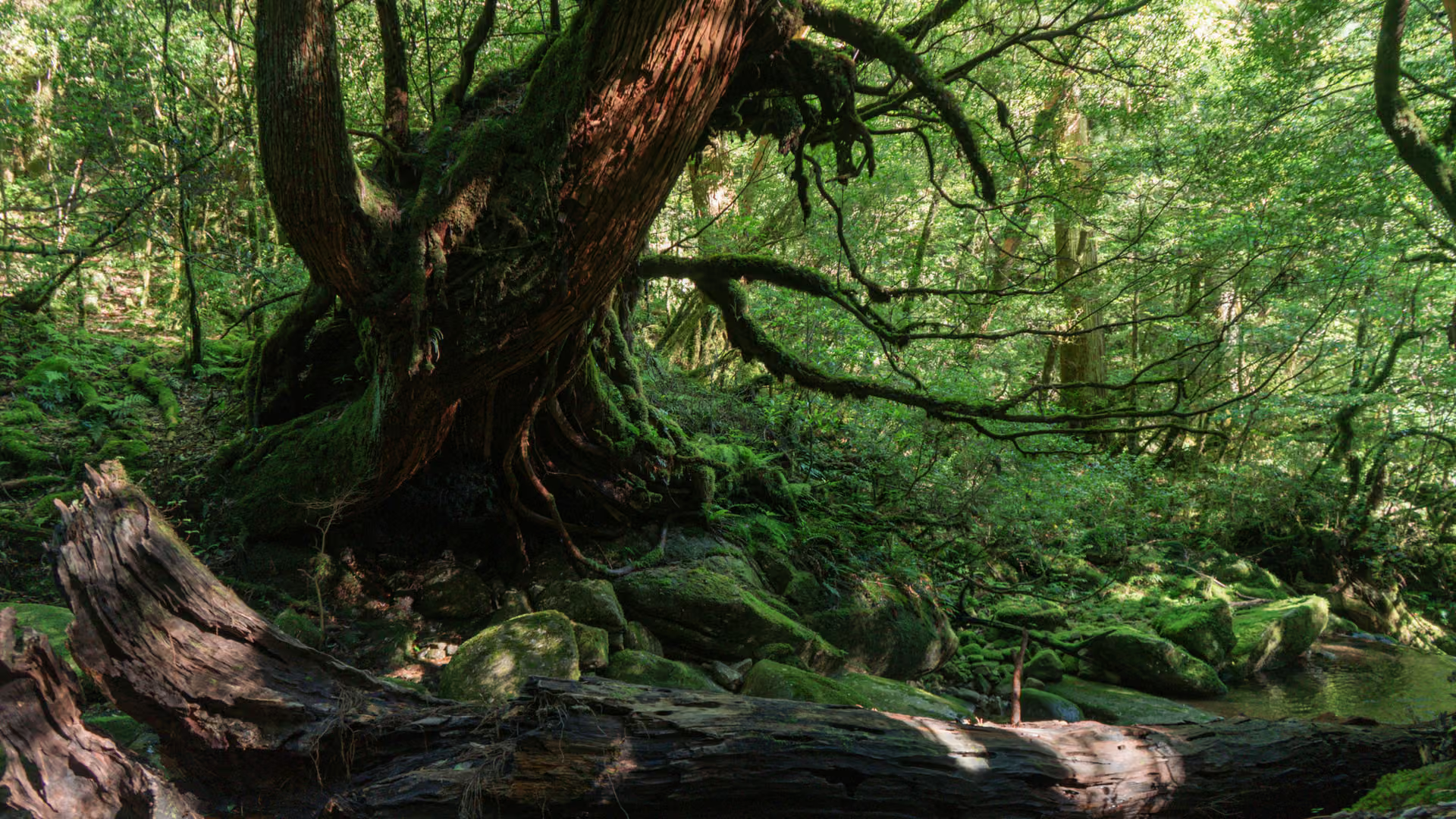
Kirishimamine Shrine
霧島岑神社
Shrine on record since 837, once head of the Six Shrines of Kirishima, enshrining Ninigi, his son and grandson, and their three wives.
〒 886-0004How to get there
小林Kitto Line20 min by taxi from the station
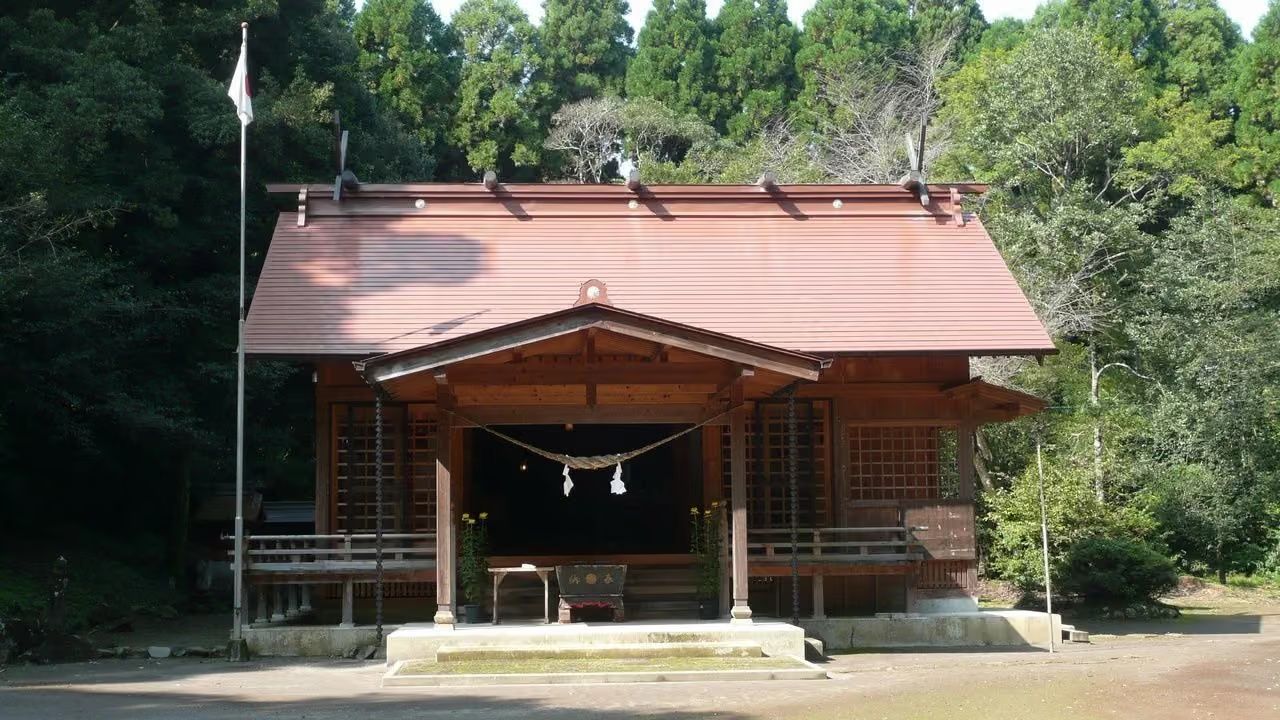
Kirishimamine Shrine is a Shinto shrine in Kobayashi, Miyazaki. It enshrines six deities: Ninigi and his wife Konohanasakuya-hime, Hikohohodemi and his wife Toyotama-hime, and Ugayafukiaezu and his wife Tamayori-hime. The date of its founding is unknown.
The deities
Ninigi, Hikohohodemi and Ugayafukiaezu are the three generations at the center of the Hyuga myths. According to these myths, Ninigi, grandson of the sun goddess Amaterasu, came down from heaven, and the story continues through his son and grandson, set in Hyuga and in the realm of the sea god. The cycle links the age of the gods to the time of Jimmu, the first emperor.
History
The shrine first stood high on the slope of Mount Takachiho, at a site called Setao. The Shoku Nihon Koki records that in 837 the deity of Kirishimamine in Morokata District, Hyuga Province, was made an official shrine of the state, and court ranks followed, the next in 858. The Engishiki shrine register names it as one of the four listed shrines of Hyuga Province. In the 10th century the monk Shoku founded five more shrines around the foot of the mountains, Hinamori Shrine among them, and with Kirishimamine as the head shrine the group became known as the Six Shrines of Kirishima (Kirishima Rokusha Gongen, 霧島六社権現).
Eruptions burned the shrine again and again: Karakunidake in 1112, Ohatayama in 1167 and Ohachi in 1234, after which it moved lower down the mountain. The eruption of Shinmoedake in 1716 destroyed its buildings and treasures, and in 1729 it was rebuilt on the slope of Mount Hinamori. The Shimazu clan held it in high regard. Shimazu Yoshihiro visited often while at Iino Castle and gave it 100 bales of rice a year.
The shrine was ranked a prefectural shrine in 1872. In 1873 Hinamori Shrine was merged into it, and Kirishimamine Shrine moved to the former Hinamori Shrine site, where it stands today. In 1880 it became a sessha (摂社), a subordinate shrine, of Kirishima Jingu in Kagoshima.
Getting There

Planning a trip? Fit this into a trip and Oni plans the rest around it.
You might also like
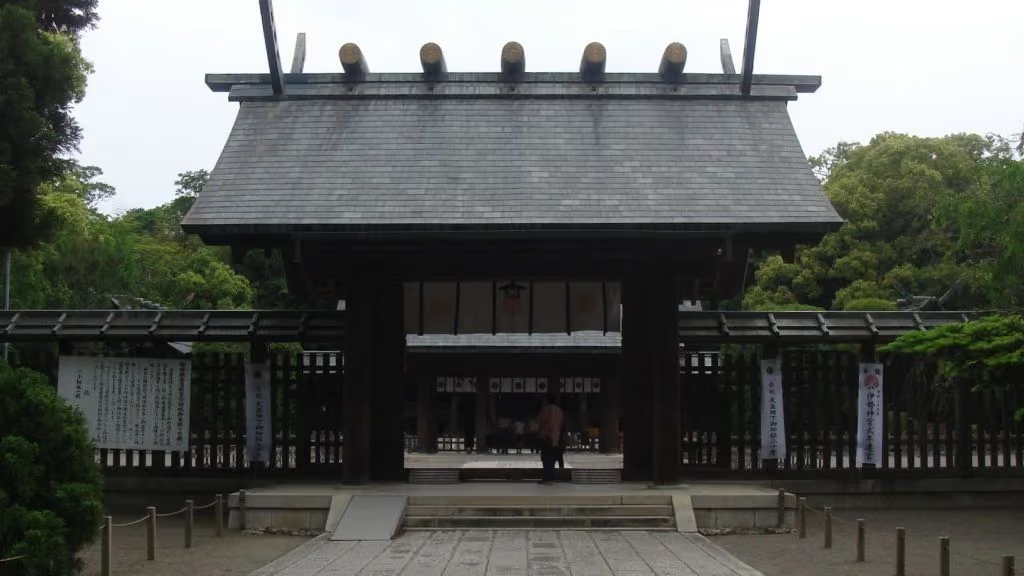
Miyazaki-jingu
Shrine to Emperor Jimmu on the site tradition gives as his palace in Hyuga, with halls of local cedar designed by Ito Chuta and completed in 1907.
Miyazaki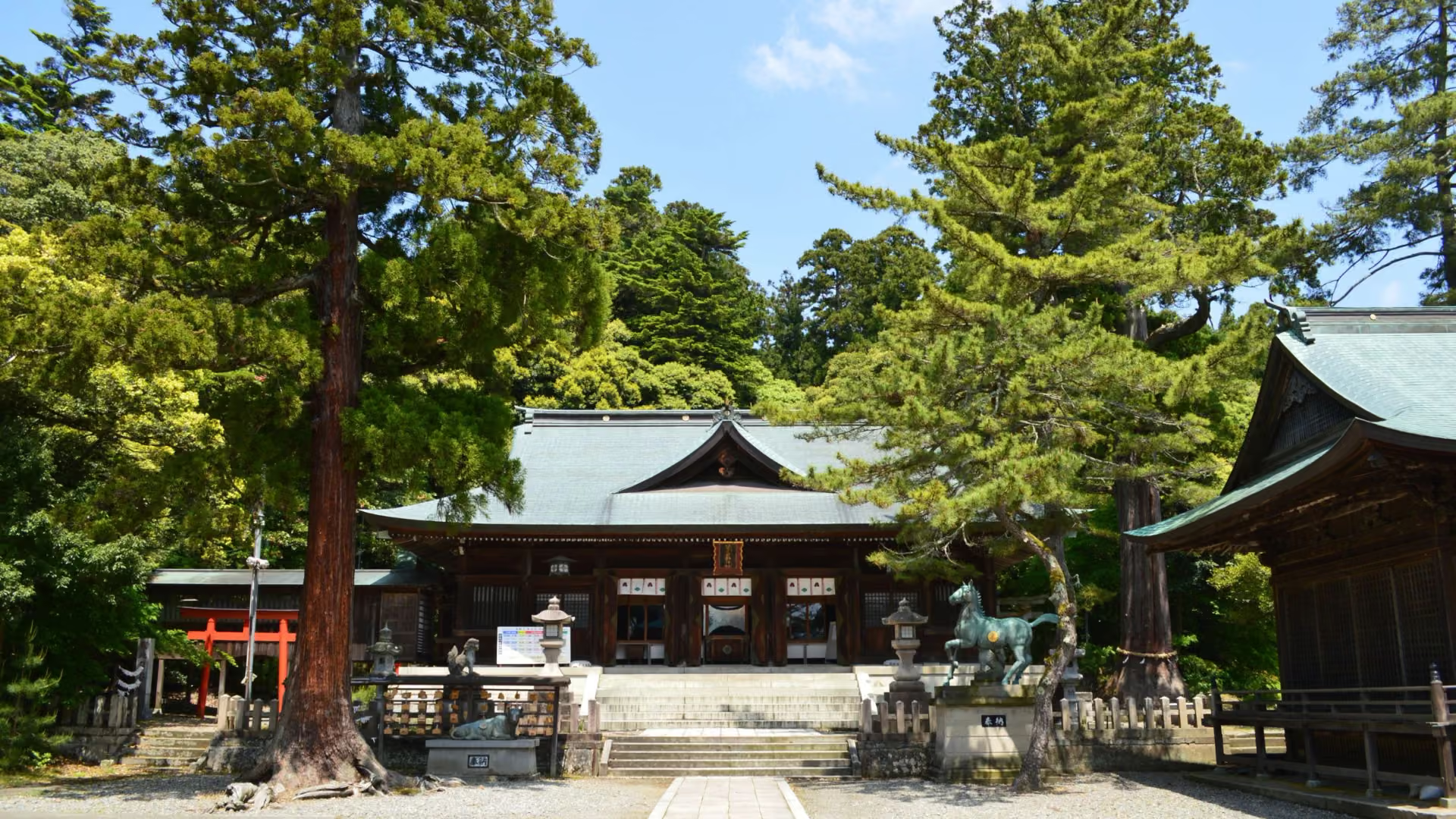
Sugo Isobe Shrine
Shrine in Kaga said to date to 585, once the second-ranked shrine of Kaga Province and long a centre of Tenjin worship in the Hokuriku region.
Kaga · Ishikawa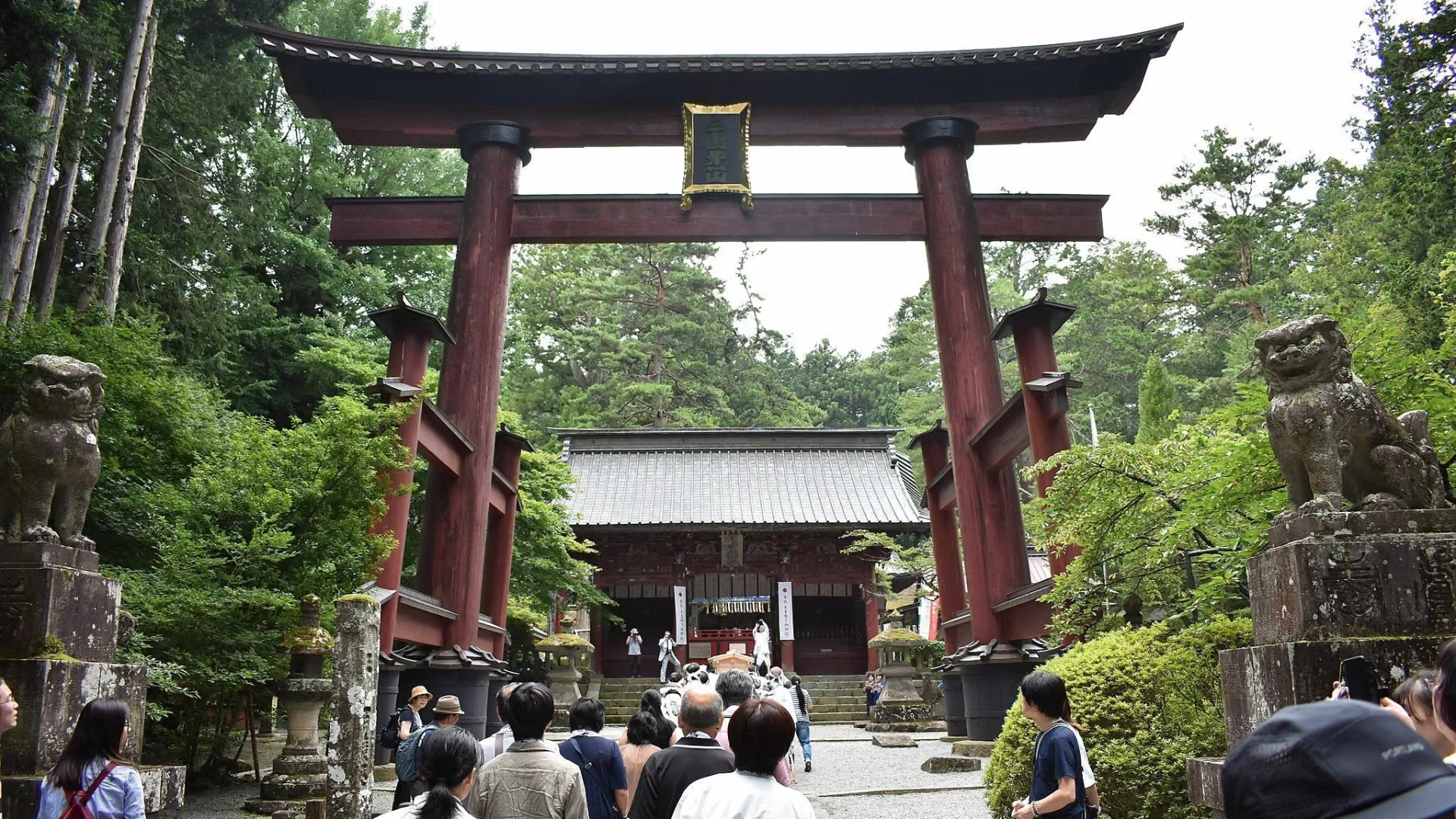
Kitaguchi Hongu Fuji Sengen Shrine
Shinto shrine at the northern base of Mount Fuji dating to the 2nd century, serving as the traditional departure point for Mount Fuji pilgrimages.
Fujiyoshida · Yamanashi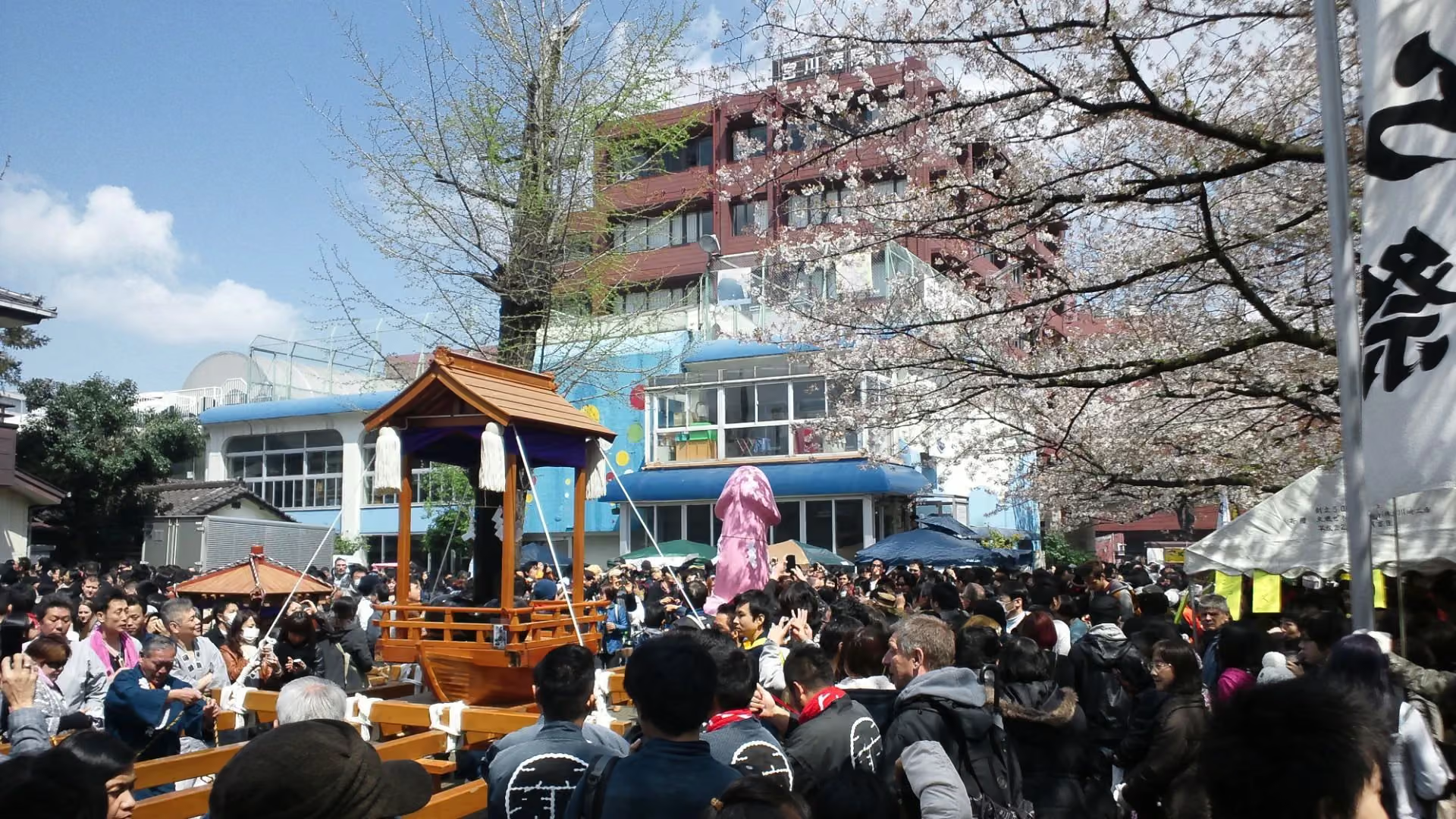
Kanamara Matsuri
A spring festival at Kanayama Shrine in Kawasaki: three phallus-shaped mikoshi are carried out with prayers for children, marriage and protection from disease.
4 Apr 2027Exact date not confirmed yetKawasaki · Kanagawa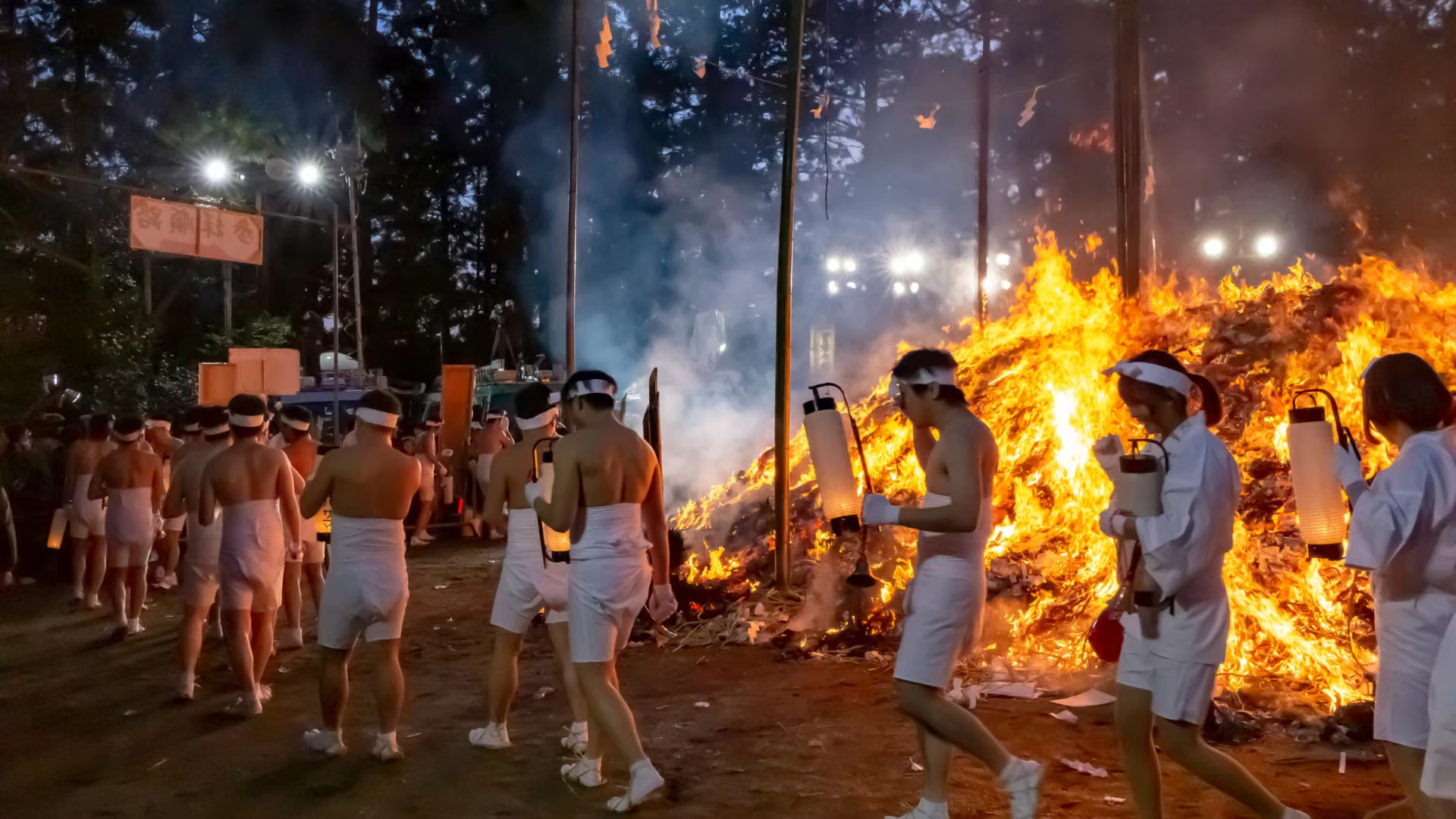
Dontosai Festival
An annual winter ritual in Sendai features the ceremonial burning of New Year decorations followed by a sacred pilgrimage procession in traditional attire.
14 Jan 2027Sendai · Miyagi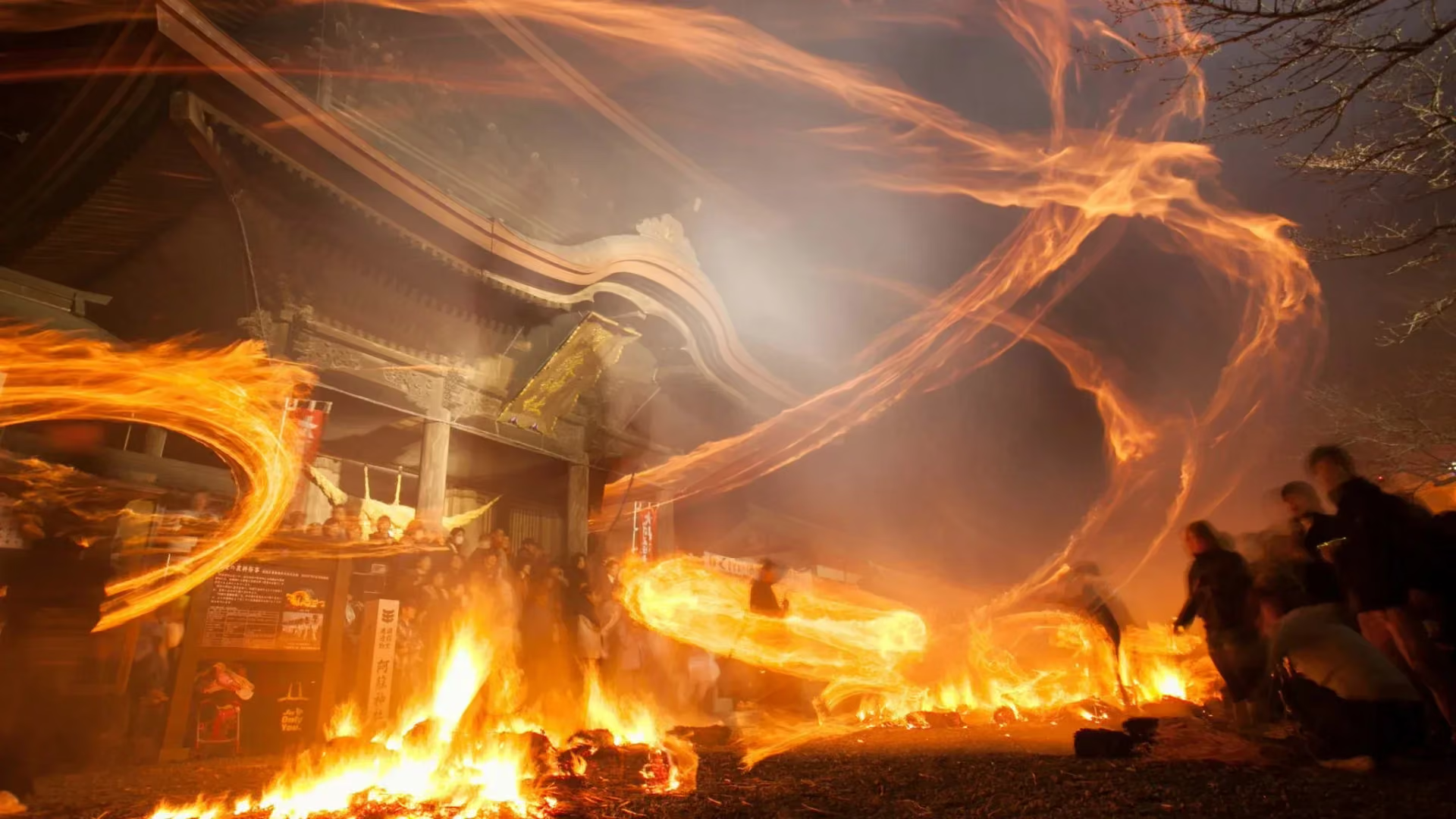
Hifuri Shinji Fire Swinging Ritual
During the Tatsukuri Festival at Aso Shrine, burning bundles of grass are swung on the shrine approach to welcome the bride of the deity Kunitatsu-no-Kami.
23 Mar 2027Exact date not confirmed yetAso · Kumamoto